As voters prepare to head to the polls for the November 2026 midterm elections, issues ranging from immigration and economic uncertainty to voter participation and state and local policy are shaping the political landscape. University of Maryland School of Public Policy faculty offer perspectives on the issues and dynamics that could influence this year's elections.
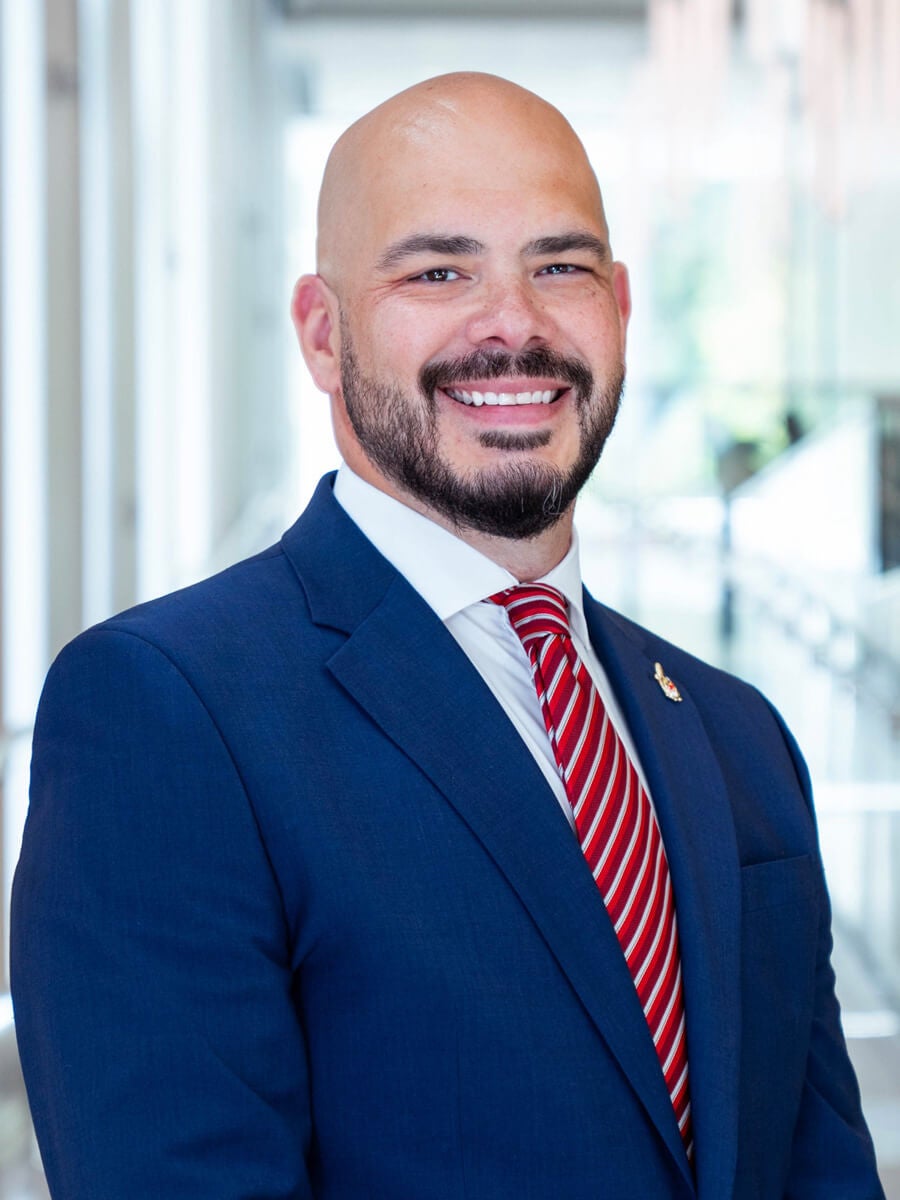
Niambi Carter
Niambi Carter is an associate professor at the University of Maryland School of Public Policy whose research focuses on public opinion, political behavior, immigration and racial and ethnic politics in the United States, with particular attention to the experiences of Black Americans. She is the author of the award-winning book American While Black: African Americans, Immigration, and the Limits of Citizenship (Oxford University Press, 2019) and a former Woodrow Wilson Center fellow.
Immigration is an emotional issue and not an evidence-based issue. Yet, draconian enforcement has turned the tide of public opinion.
In this election, like so many others, Black women are likely to show up in large numbers, but they have not done so while facing this level of unemployment in over 40 years.
There are over 30 gubernatorial races on the ballot this November and even more state and local ballot measures. State and local elections are most essential to your everyday life. Don't forget about these important elections.
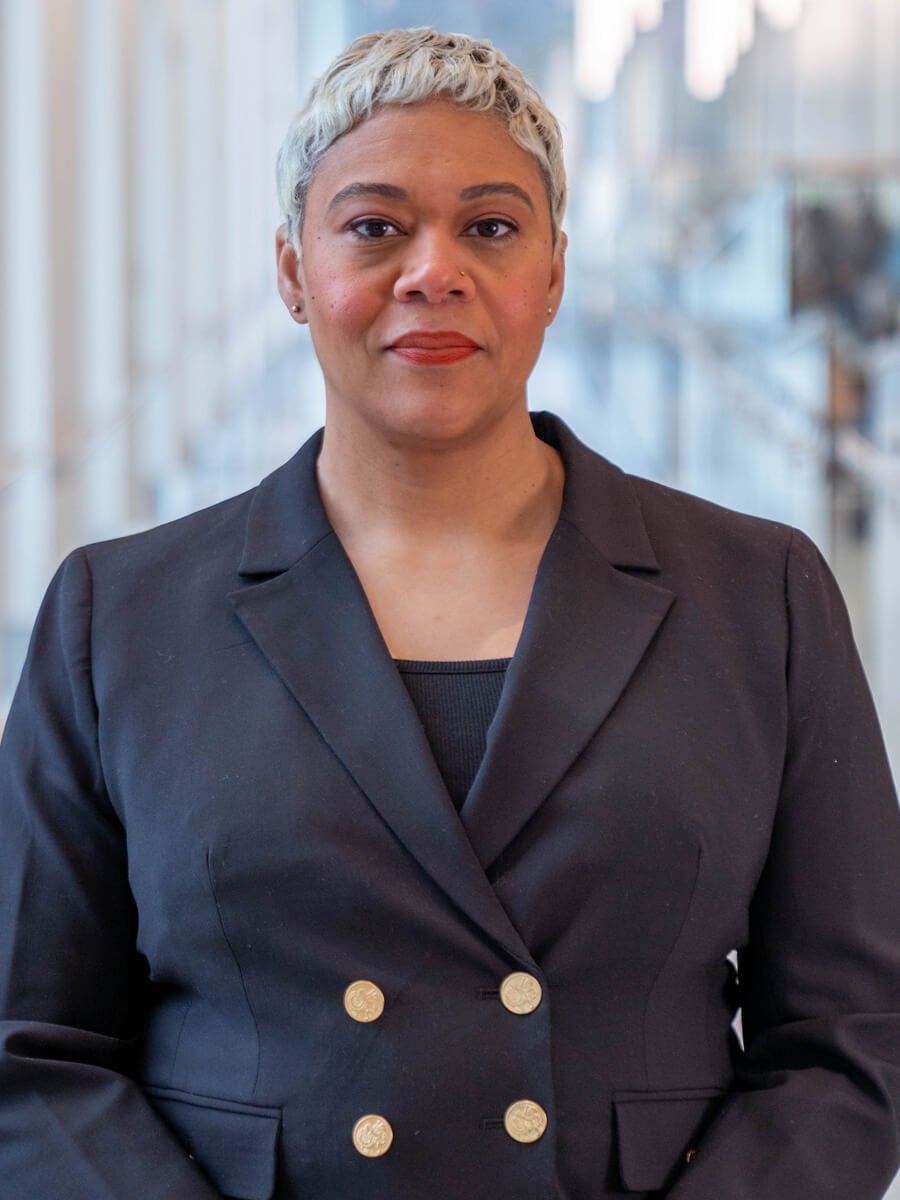
John Ronquillo
John C. Ronquillo is an associate professor at the University of Maryland School of Public Policy and the inaugural director of the Institute for Public Leadership. His research focuses on public and nonprofit management, nonprofit governance, social equity, public service ethics and leadership and Indigenous governance. Ronquillo has published extensively on public administration, nonprofit leadership and governance, and has served on numerous nonprofit boards and professional associations. His research has appeared in Public Administration Review, The American Review of Public Administration and Public Integrity, among other publications.
President Trump urged voters to treat this election as a referendum on his presidency, and they are, just not how he intended. His approval ratings have remained underwater, and the enthusiasm we’re seeing suggests the electorate is responding directly to his leadership. If tonight’s results disappoint him, don’t expect a measured response. When this president feels politically threatened, the instinct is to flex executive power.
James Talarico has done something remarkable in Texas, including building a coalition that includes members of the Bush family, one of the most prominent Republican dynasties in American history. The financial story is equally striking: Talarico outraised what Ken Paxton received from Elon Musk. A win tonight would be the first Democratic Senate seat in Texas in decades. That’s not a footnote, that’s a realignment signal.
If Peggy Flanagan in Minnesota and Mary Peltola in Alaska both win, we’ll have two Native women in the Senate simultaneously. That has never happened. And if Deb Haaland wins the governorship in New Mexico, she becomes the first Native American woman governor. These aren’t symbolic milestones. They represent a long-overdue expansion of who holds power and whose communities finally have a seat at the table.