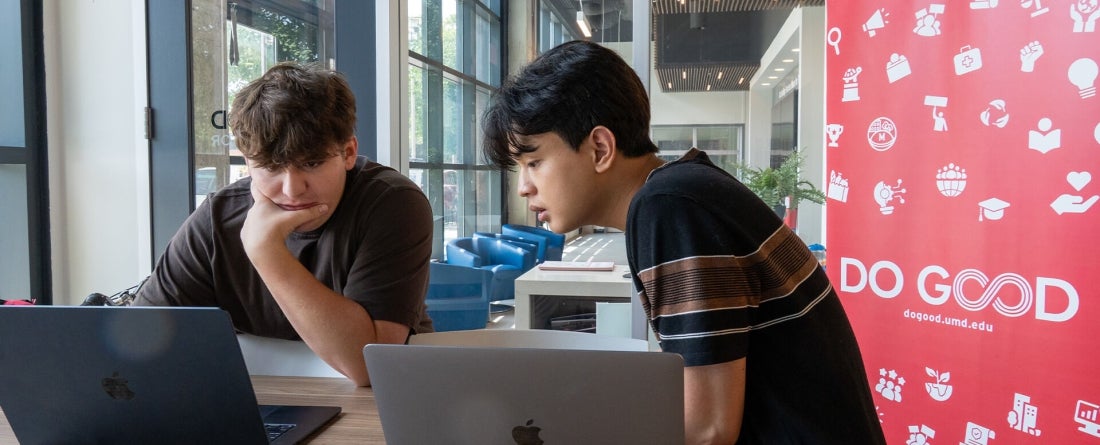
As we celebrate the Do Good Institute’s 10th anniversary, we’re excited to introduce our Fall 2026 cohort of students who are turning their passion for doing good into creative solutions that make a difference on campus and in their communities.
Meet 20 students tackling everything from making student housing safer and more affordable to bringing hands-on STEM activities to the next generation and using AI to help older adults reduce their risk of dementia. These are just a few of the inspiring projects underway. Read on to meet the students and discover the many ways they’re putting their ideas into action!
Meet the Fall 2026 Accelerator Fellows
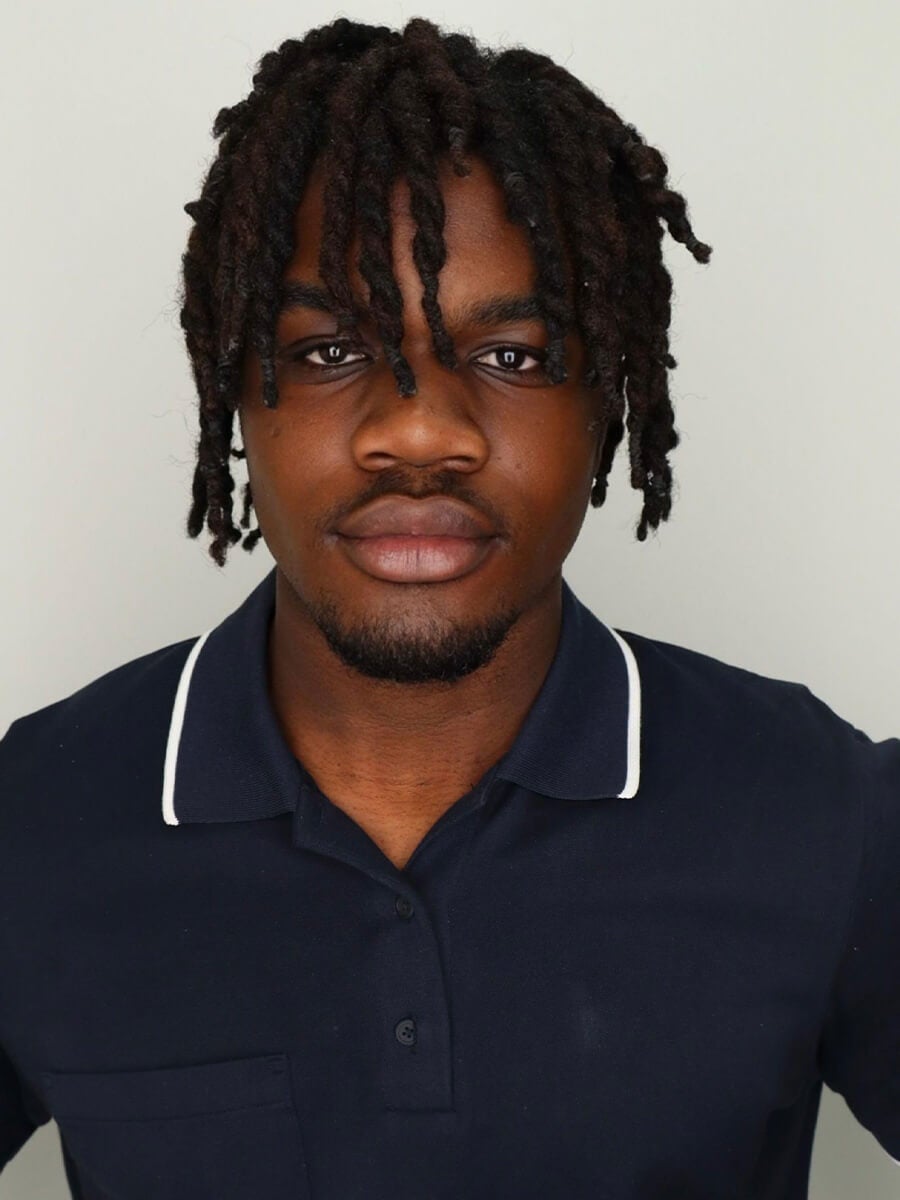
Macarious Adjingbaruk, Stack It Up
Senior, Information Science
Stack It Up is a community-driven financial literacy initiative dedicated to making financial education accessible, engaging, and practical. Through interactive workshops and real-world experiences, we empower young people and underserved communities with the knowledge and confidence to make informed financial decisions and build a stronger financial future.
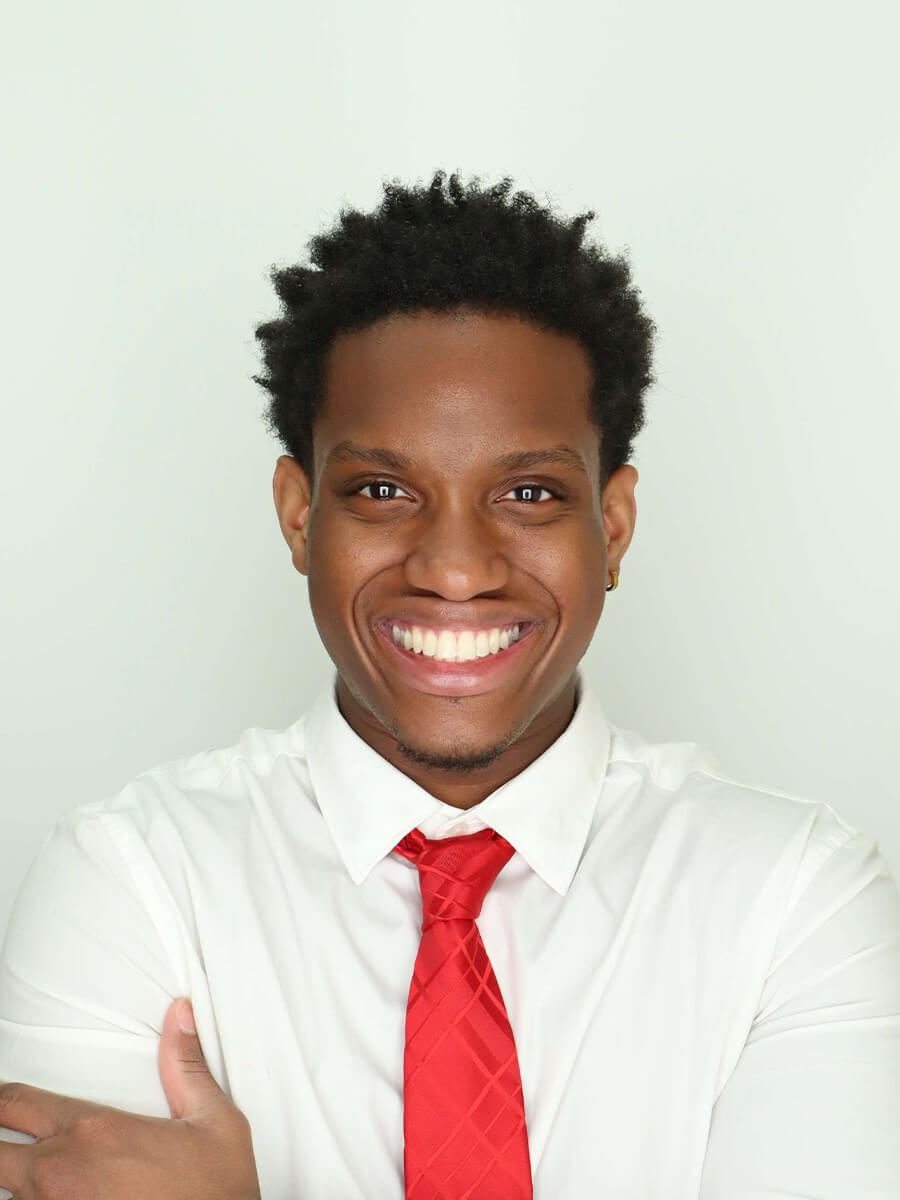
Francis Ametewee, TerpNav
Junior, Information Science
TerpNav (terpnav.com) is a student-built guide to 120+ UMD buildings that also shows which campus parking lots are free right now. It's free, and it reached 700+ visitors in its first month.
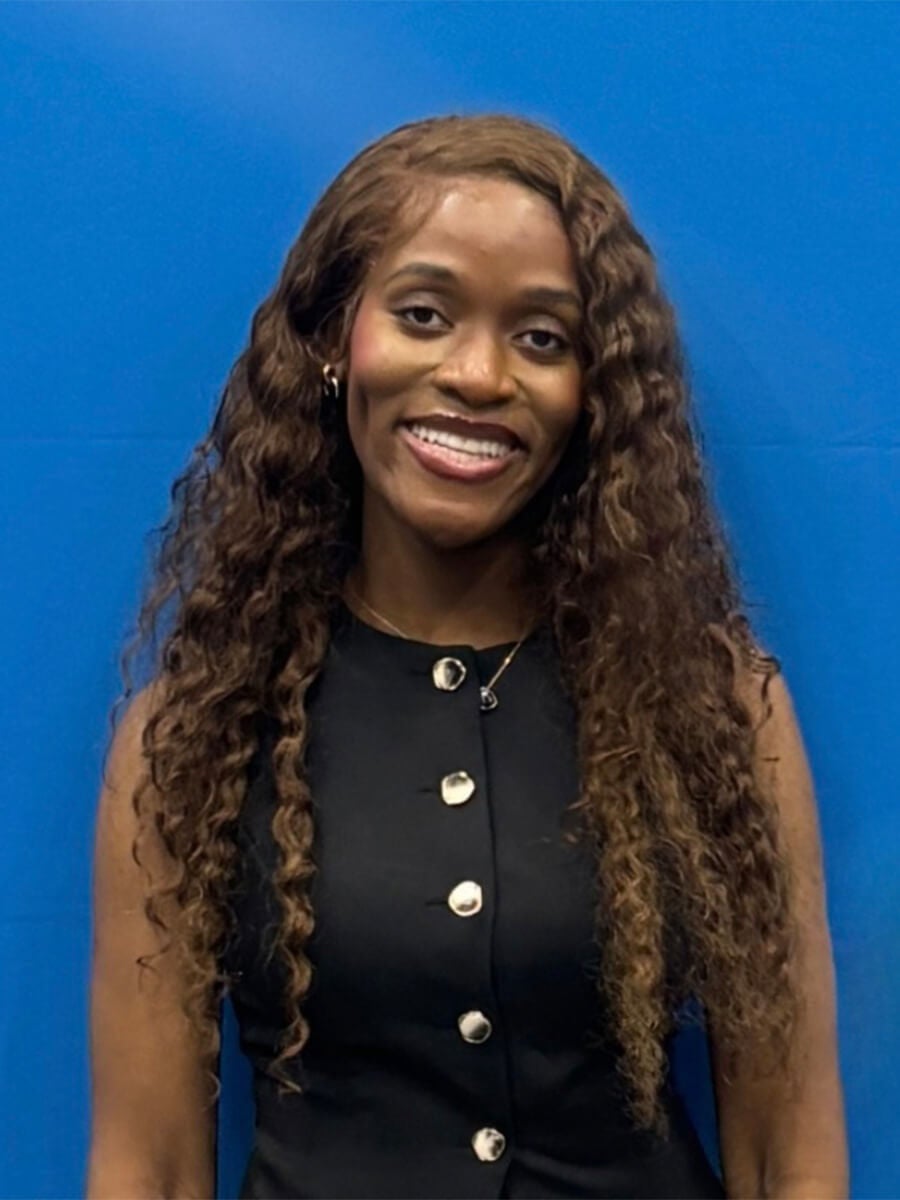
Pamela Awobajo, Pamela Awobajo
Senior, Information Science
The Perfect Plate Project is a community initiative through Pam’s Perfections that uses food to address food insecurity and bring people together, starting with providing meals to individuals in need during Thanksgiving. The project will grow beyond meal distribution by building community partnerships and creating food-centered programs such as cultural cooking classes, affordable meal preparation workshops, and healthy eating initiatives.
Naomi Boldon, Embold
Freshman, Human Development
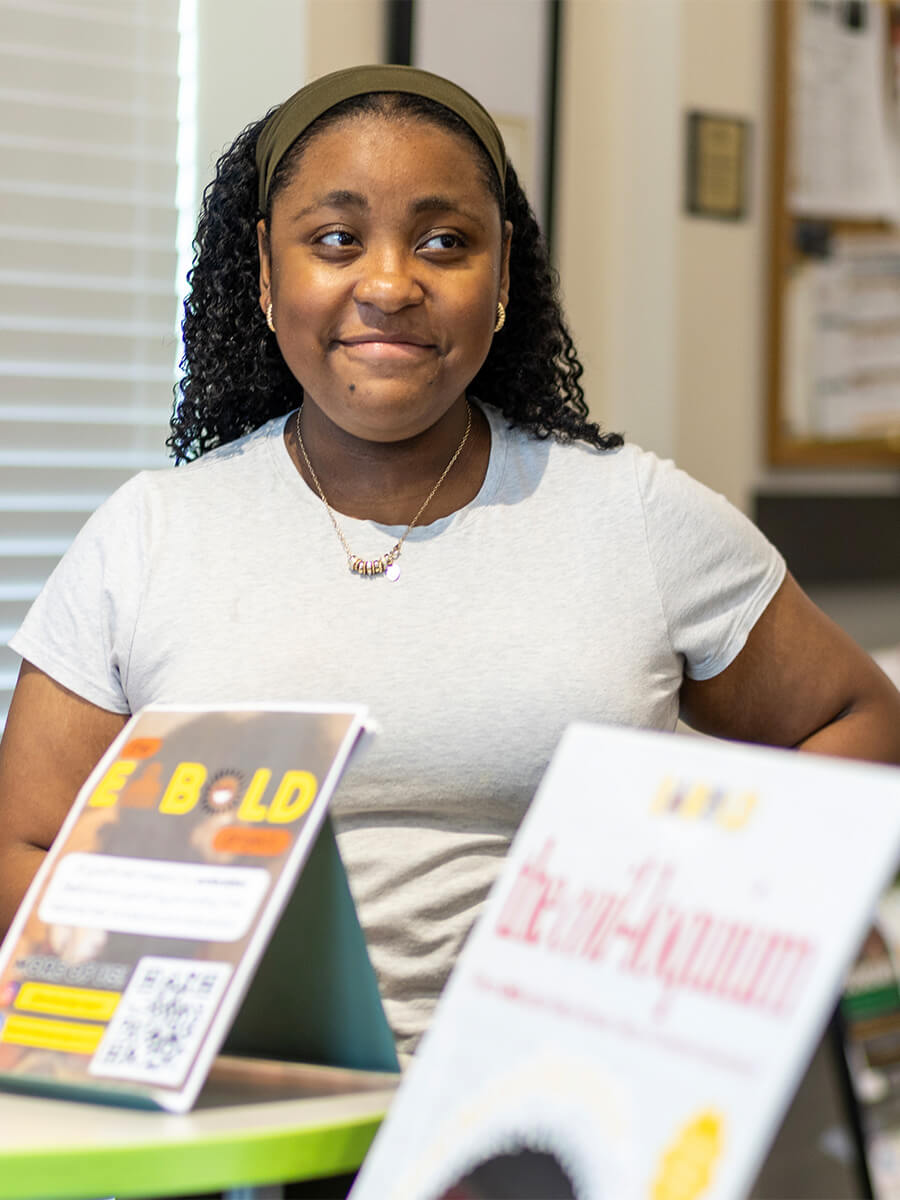
Embold is a youth-led community organization that creates intentional space, resources, representation, and encouragement for Black girls to embrace their natural hair. Through free community events, hair care kits, and school attendance initiatives, Embold works to make textured hair education more accessible to youth and families.
Darius Cheek, IMPACTnow
Freshman, Landscape Architecture
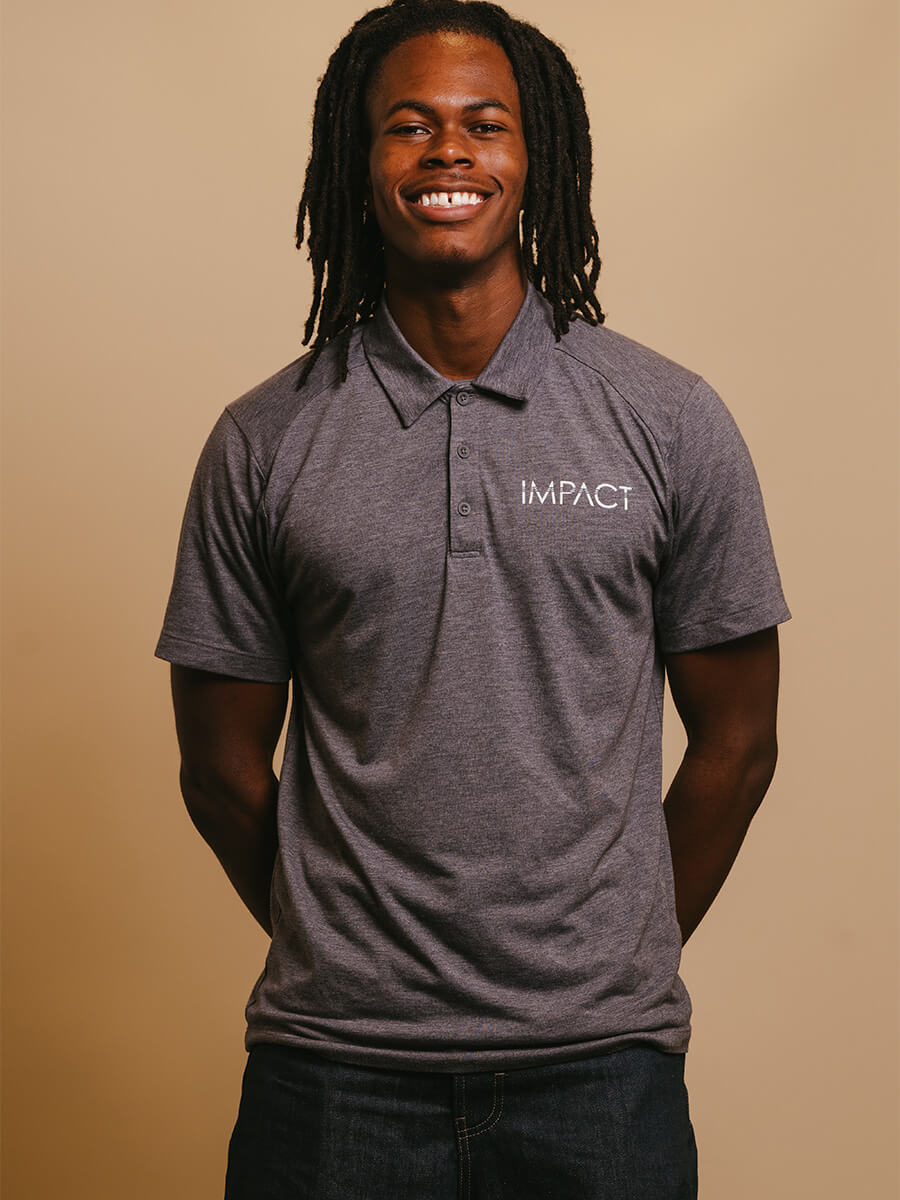
Established as the student chapter of IMPACTdmv, IMPACTnow helps UMD students build clear pathways to economic freedom through career development, financial literacy, leadership development, community engagement, and volunteerism, from their first semester through their early careers. Members gain the financial security and experience to uplift their communities and to help grow BIPOC representation in the professional world.
Isha Dawadi, Pahilo Gyan (Education First)
Senior, Public Health Science
Isha Dawadi is a senior majoring in Public Health Science at the University of Maryland, College Park. She is a co-founder of Pahilo Gyan (Education First), which offers free hands-on STEM activities, guest-speaker sessions that guide first-generation students, and community health camps. Through partnerships and multilingual outreach, she works to connect students and families with educational opportunities and health resources that may otherwise be difficult to access.
Anderson Harlor, Marshall
Sophomore, Philosophy, Politics, and Economics / Government & Politics
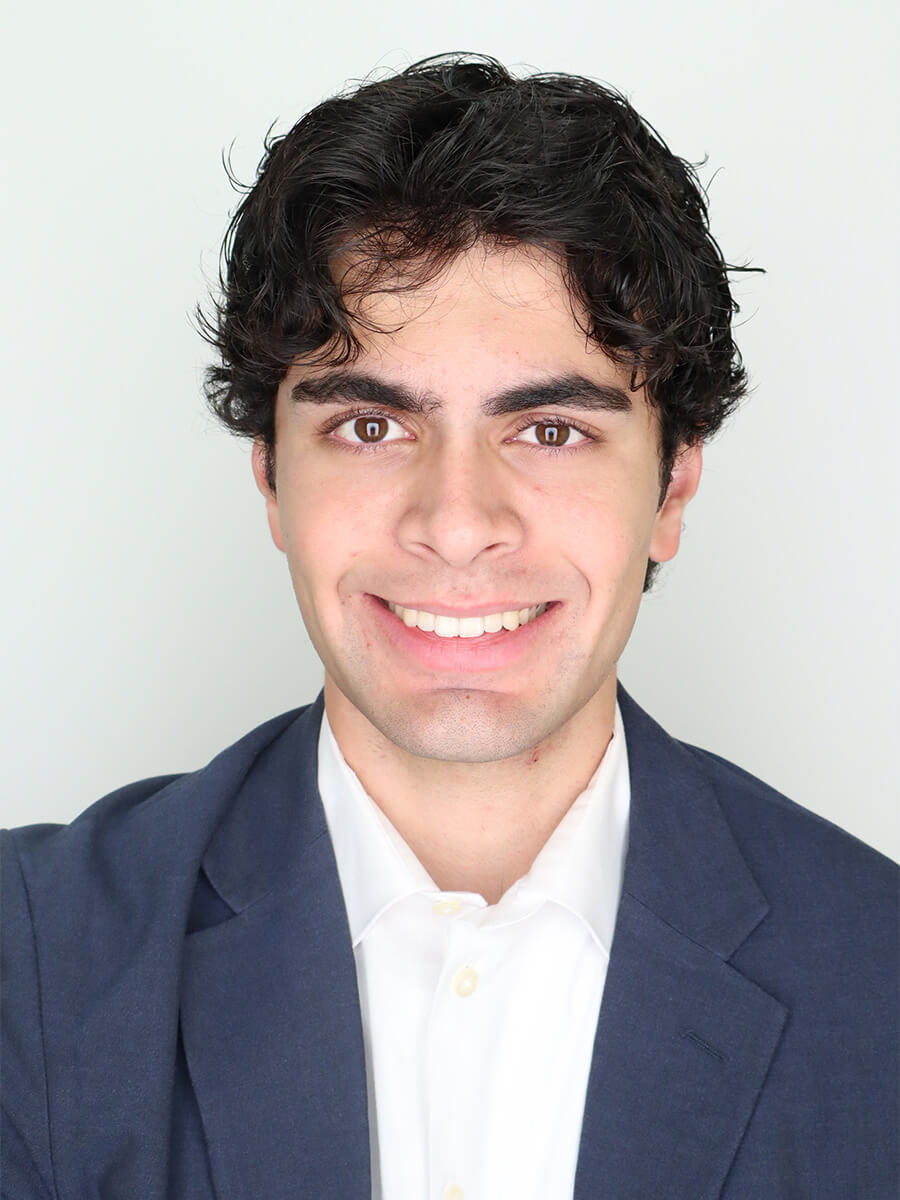
TerpsVote's new political magazine, Marshall, named after Justice Thurgood Marshall, aims to bridge the gap between daily life and local politics by presenting in an easily digestible format the cause and effect relationships between local government actions and the issues students care about, which are often affordable housing, local business presence, and transportation.
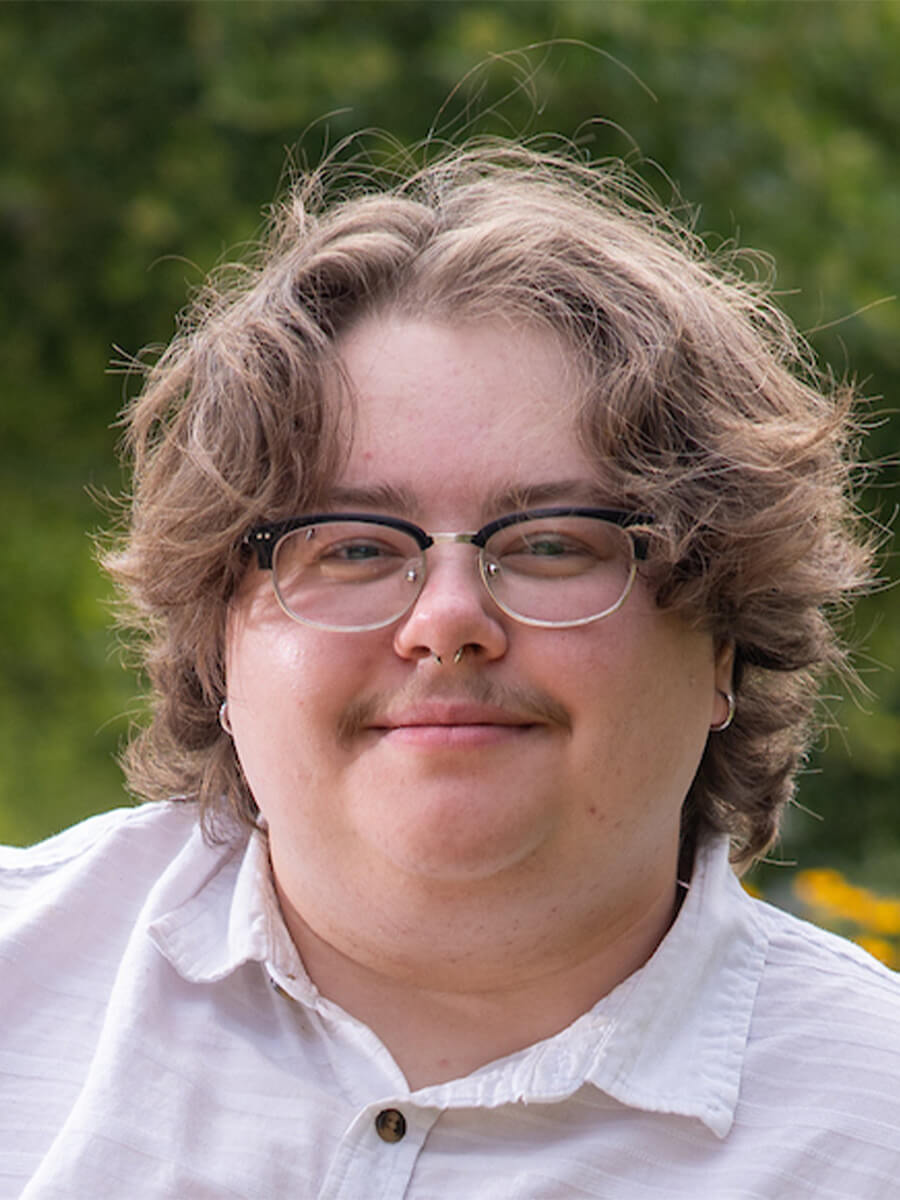
Andrew Heffner, Campus Stewards
Senior, Plant Biology
The outcomes and goals of Campus Stewards are to educate students about the native plants and sustainable landscaping already used on campus, to engage students with community service learning, to aid in the reduction and minimization of invasive species in campus landscaping, and to offer valuable professional experience for students by expanding native, sustainable landscaping at UMD. The program will allow students to steward native gardens on campus where they will remove invasive species, plant native gardens, and maintain garden areas throughout campus under the guidance of Arboretum staff and trained student leaders.
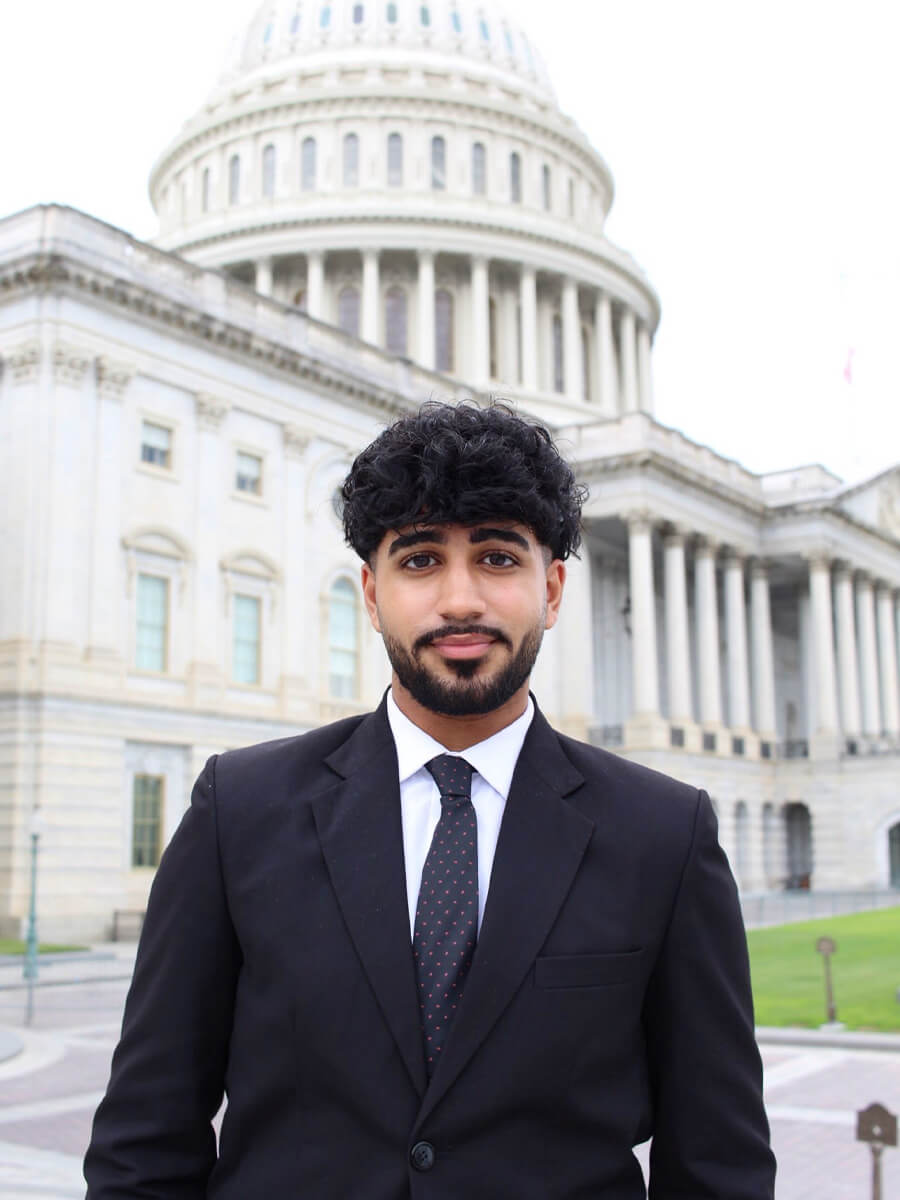
Saad Ijaz, The USM Student Equity & Opportunity Protection Initiative
Junior, Government & Politics and Psychology Major
My project, the USM Student Equity & Opportunity Protection Initiative, focuses on protecting minority-centered and student-support programs across the University System of Maryland that are at risk because of funding cuts. I want to combine direct policy advocacy and engagement with USM and government leaders with alternative funding strategies like grants, philanthropy, and community partnerships so these programs can continue serving students.
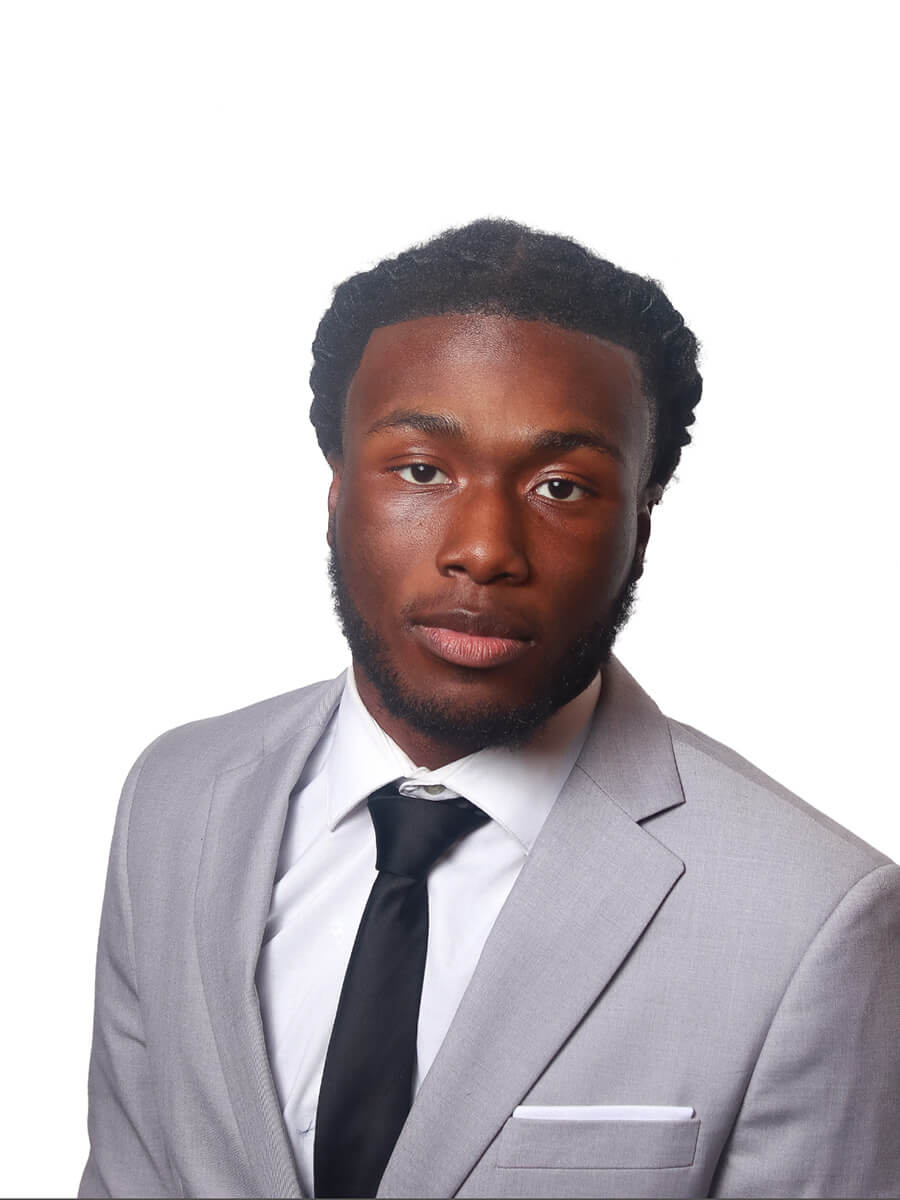
Halmed Kamara, The Spark Academy
Freshman, Information Science
The Spark Academy is a STEM education nonprofit expanding access to hands-on technology education, mentorship, and career-connected opportunities for K–12 students in underserved communities. Through programs such as community-based STEM workshops and the Spark Fellowship, the organization aims to build sustainable pathways that help students develop technical skills, confidence, and long-term opportunities in STEM.
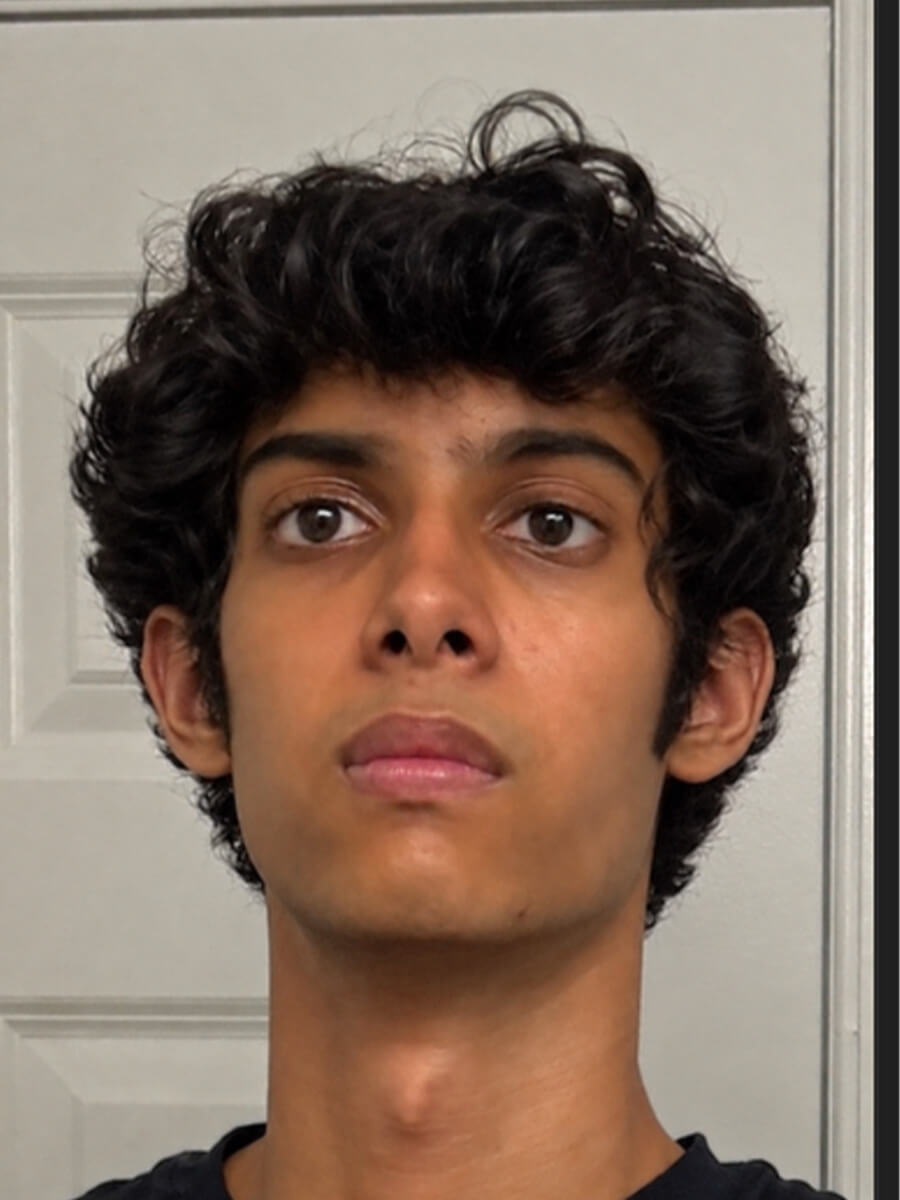
Srikar Kodali, Brain Bloom
Junior, Public Health Science
Brain Bloom is a user-friendly mobile iOS application designed to help seniors lower their risk of dementia through daily habit tracking across key areas like physical activity, sleep, and social connections. Using an initial questionnaire, weekly check-ins, and an AI recommendation system, the app continuously adapts each user's plan to support long-term brain health and independence.
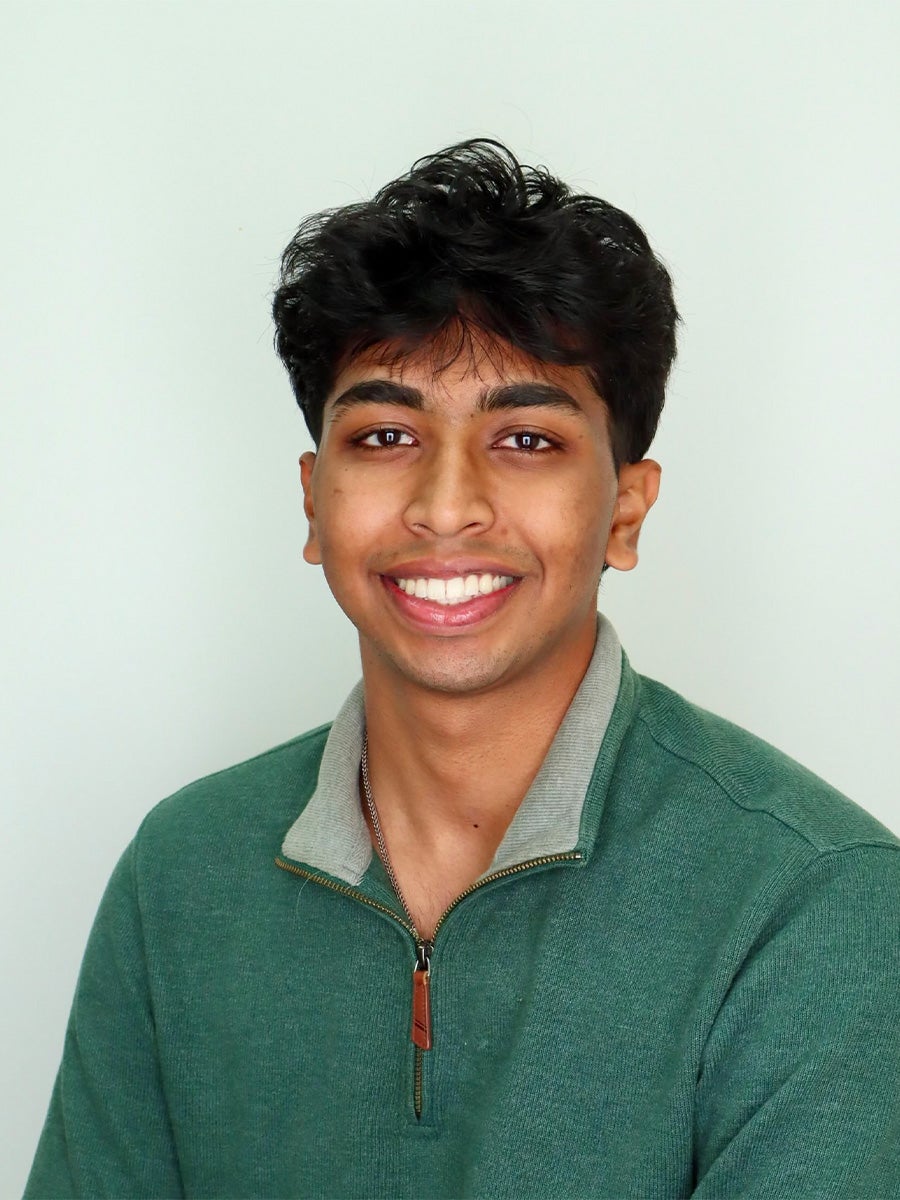
Varun Kota, Compound AI
Senior, Computer Science
Compound AI is an accessible platform that delivers personalized, AI-driven portfolio recommendations and market insights tailored to users. By offering free real time asset tracking, recommendations, and financial education tools, he aims to empower everyday students and underrepresented communities to achieve long term financial independence
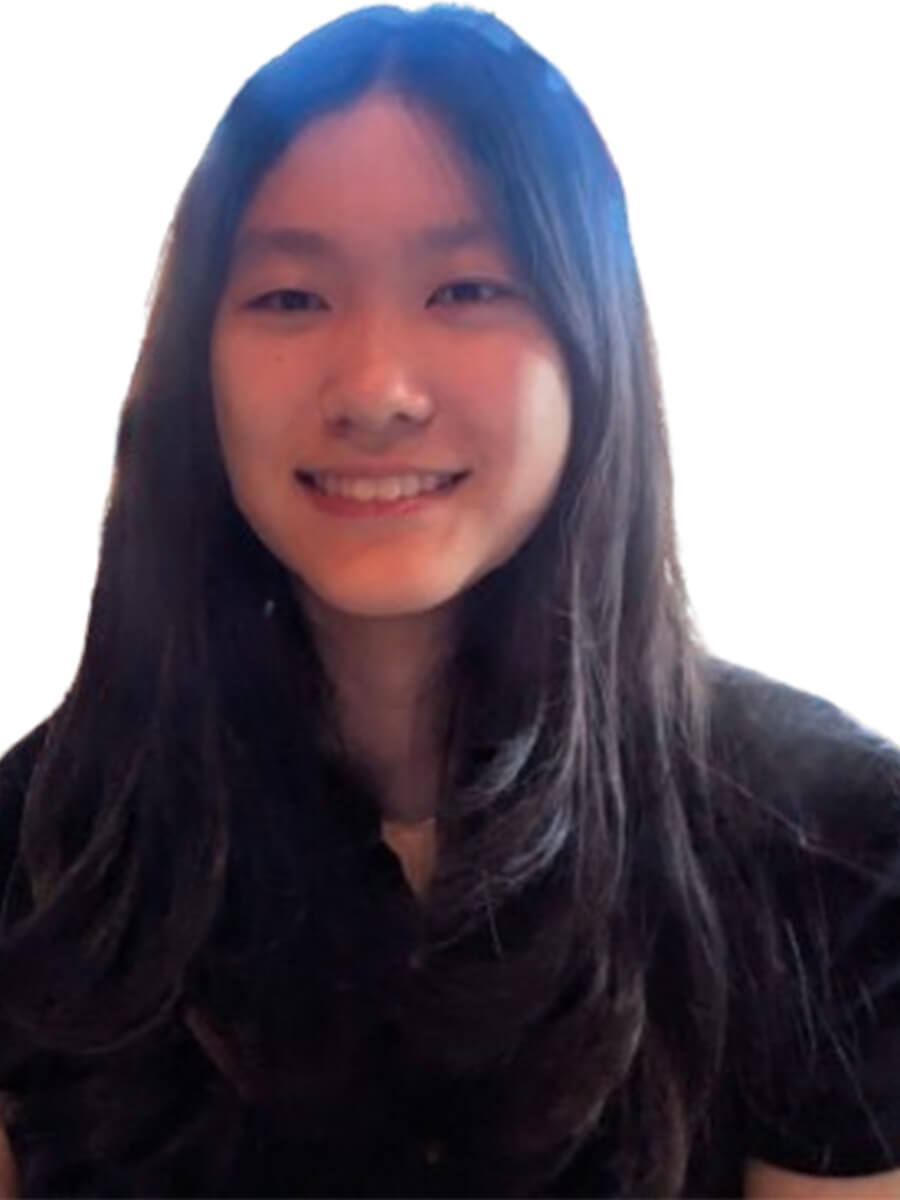
Shelley Ma, DeltaEarth
Freshman, Computer Engineering
DeltaEarth is a youth-led nonprofit dedicated to making the world’s most pressing issues accessible, honest, and actionable for everyone through a “virtual doomsday museum.” By providing easy access to information through carefully researched “exhibits,” engaging students with hands-on community workshops, and conducting real-world environmental research, our work centers young people as the true architects of change.
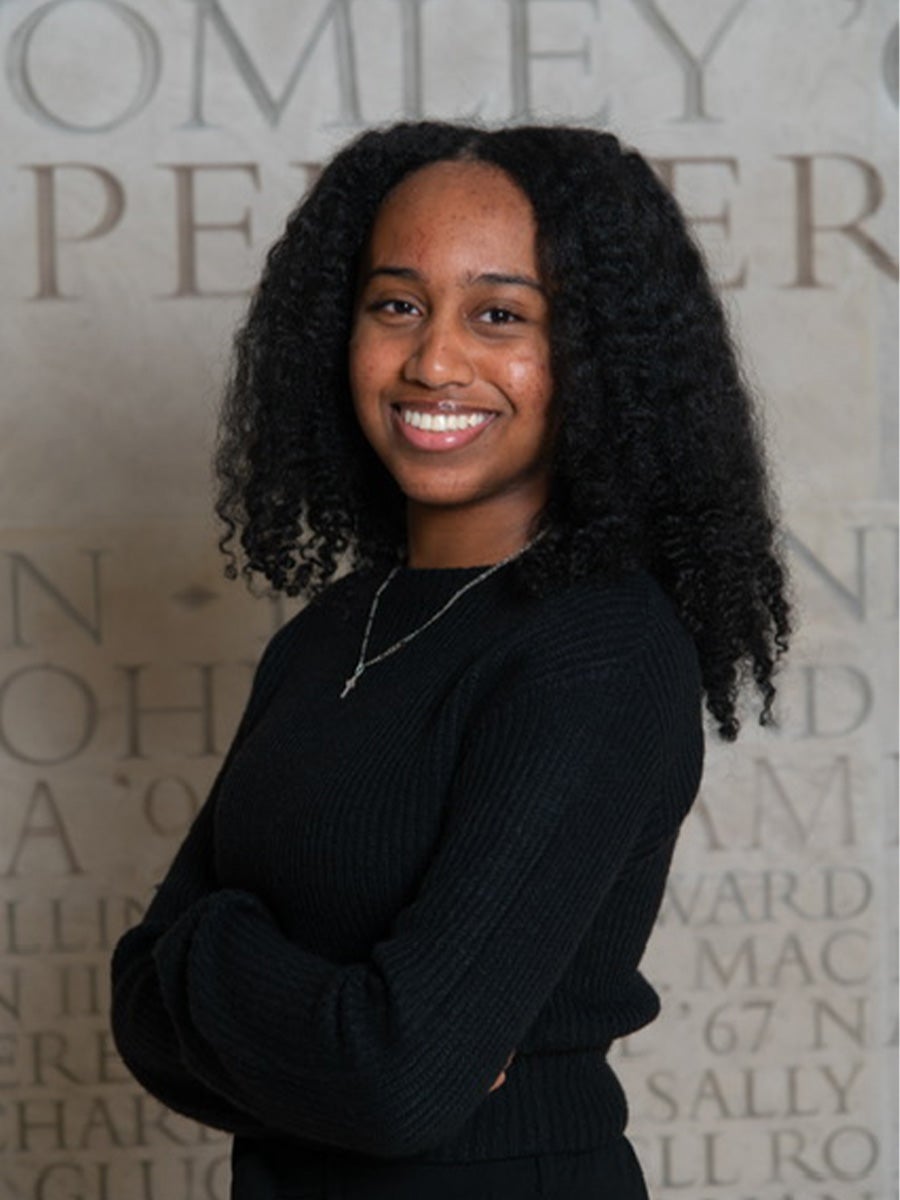
Luna Mesfin, Prevent Today, Smile Tomorrow
Sophomore, Neuroscience
Prevent Today, Smile Tomorrow is committed to improving oral health outcomes in underserved communities in Eritrea through preventive education, community outreach, and increasing access to oral health resources. Our goal is to help individuals and families prevent dental disease at early stages and build a healthier future through informed care.
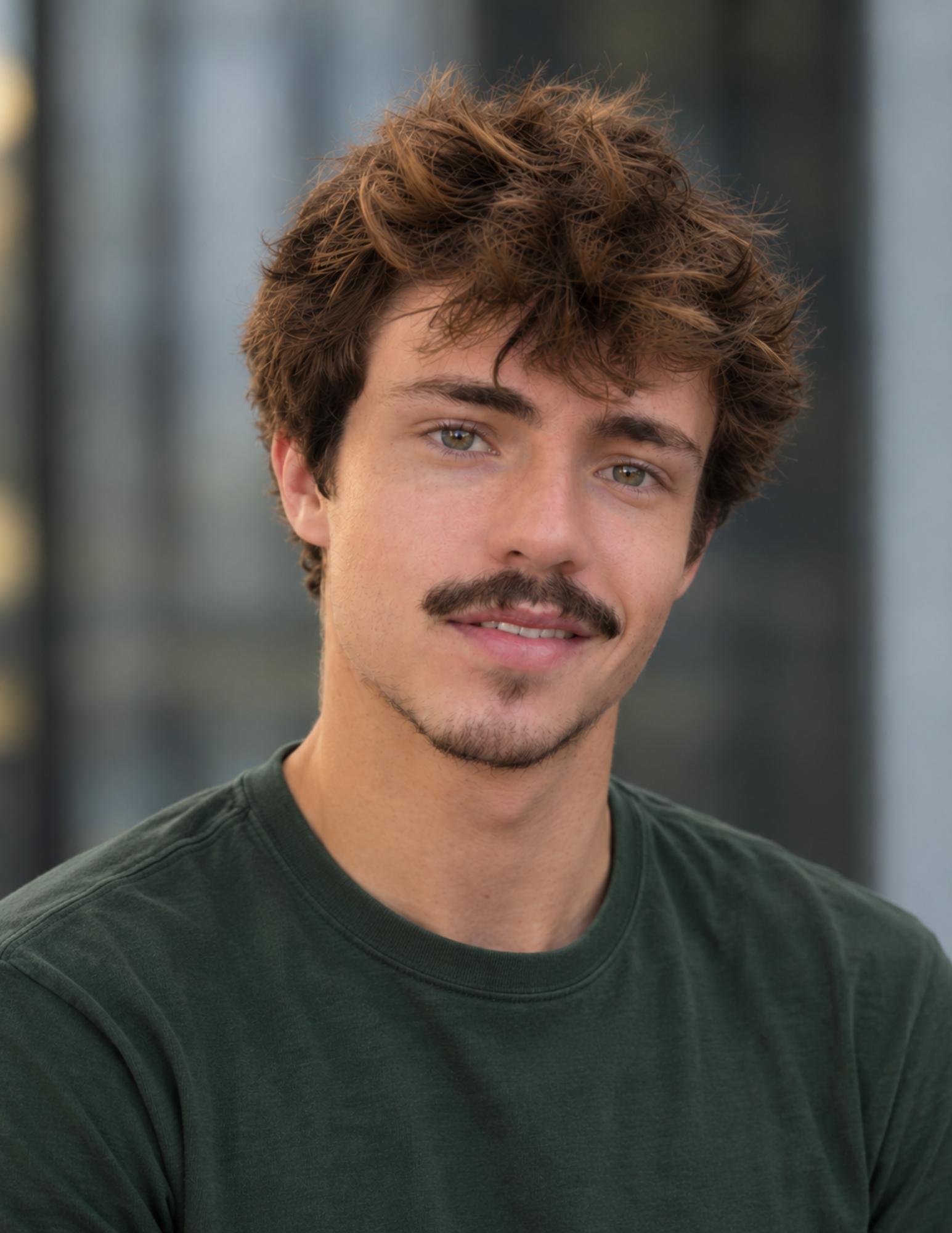
Adam Pouliot, Kato Housing
Senior, Economics B.S., Business Minor
Kato Housing is a student-built platform that makes off-campus housing safer and more affordable for college students, bringing housing search, subletting, and roommate matching into one place and pairing them with years of local rent data so students can spot overpriced leases, spot scams, and avoid last-minute scrambles. Nearly 20,000 University of Maryland students have used the platform, which we plan to expand to schools nationwide to make safe, affordable housing easier to find for students everywhere.
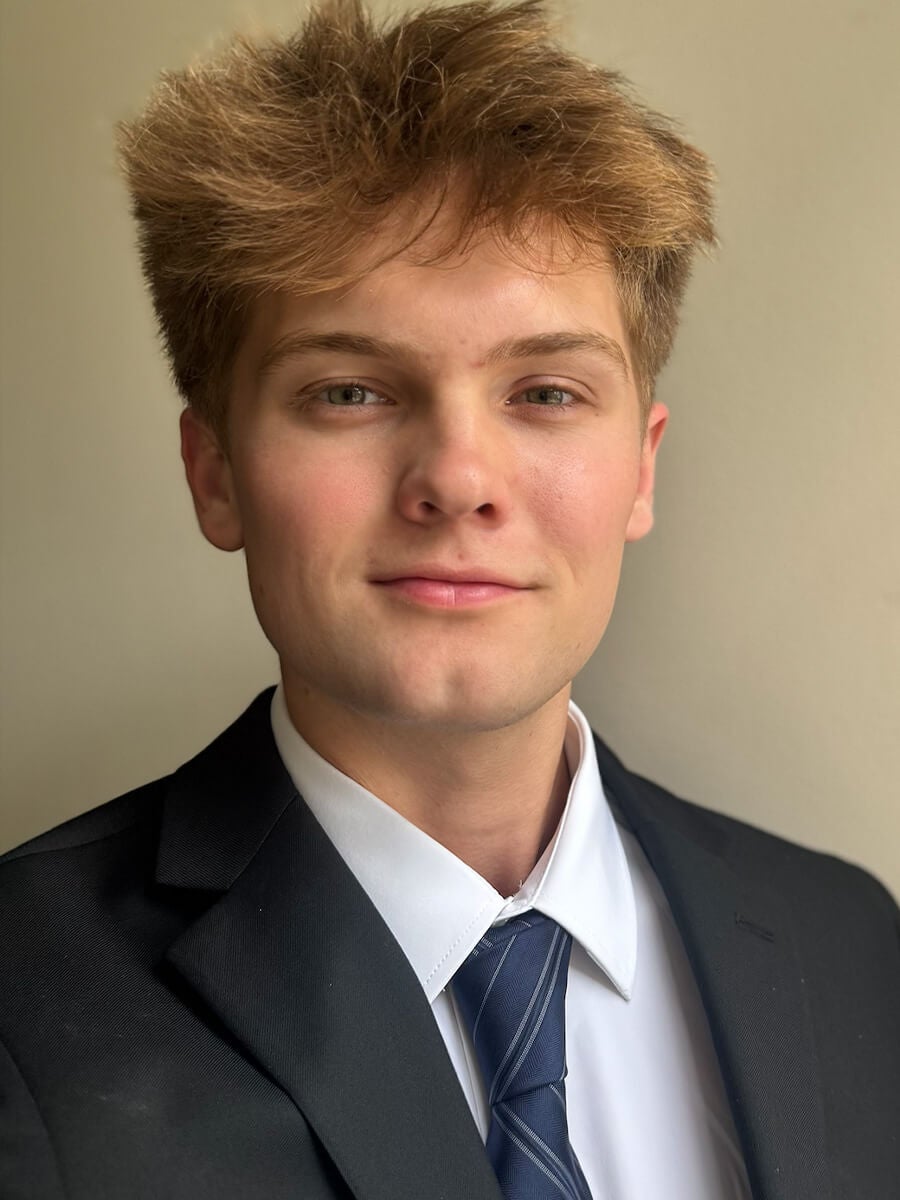
Nathaniel Schuknecht, Rxpyre
Sophomore, Computer Science
Rxpyre is an automated pharmaceutical tracking platform designed to eliminate medical waste in healthcare facilities. By replacing manual tracking with real-time expiration alerts, the software ensures strict audit compliance and protects patient safety while recovering tens of thousands of dollars and hundreds of staff hours.
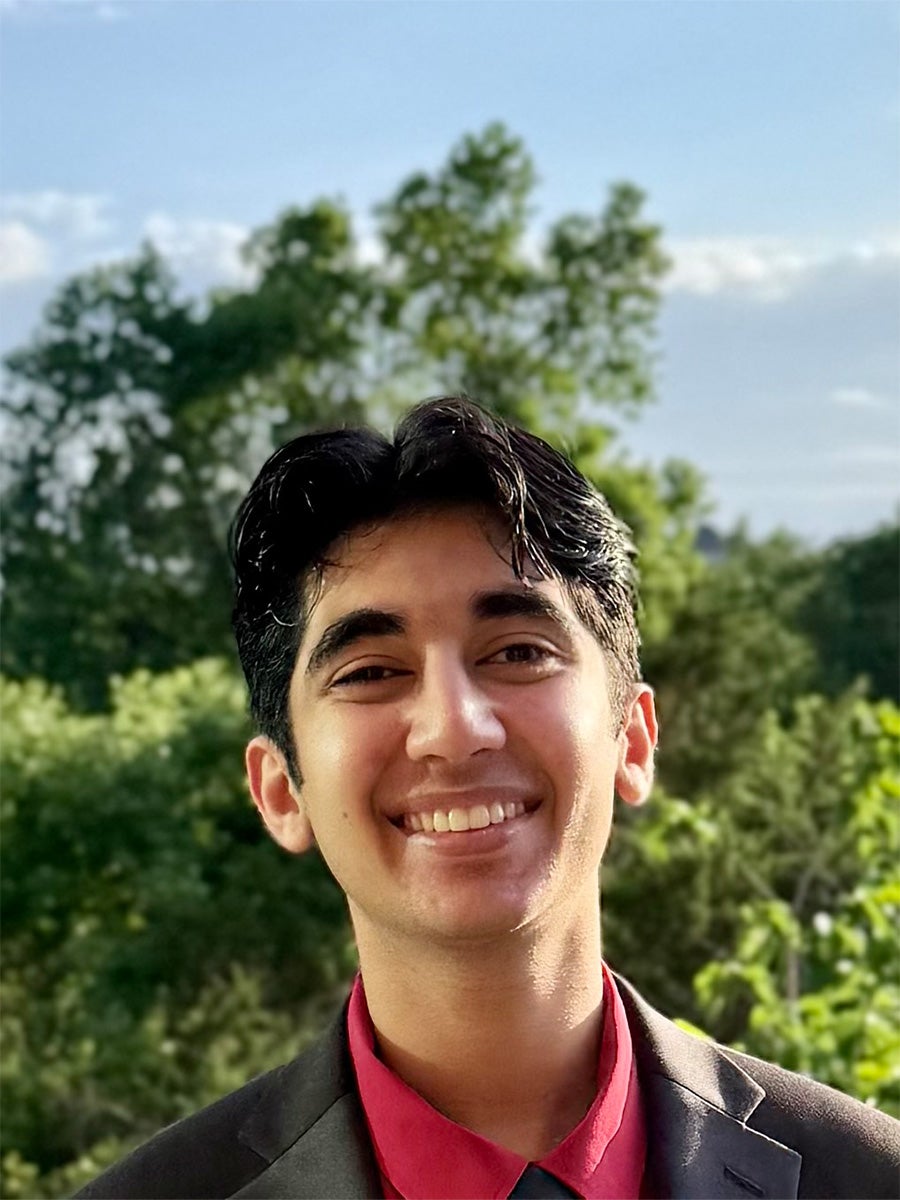
Ronit Singh, Peer Programming
Freshman, Computer Science & Accounting
Ronit is the co-founder & CEO of Peer Programming, a registered 501(c)(3) nonprofit organization with the mission of connecting volunteer instructors with students looking to learn how to code.
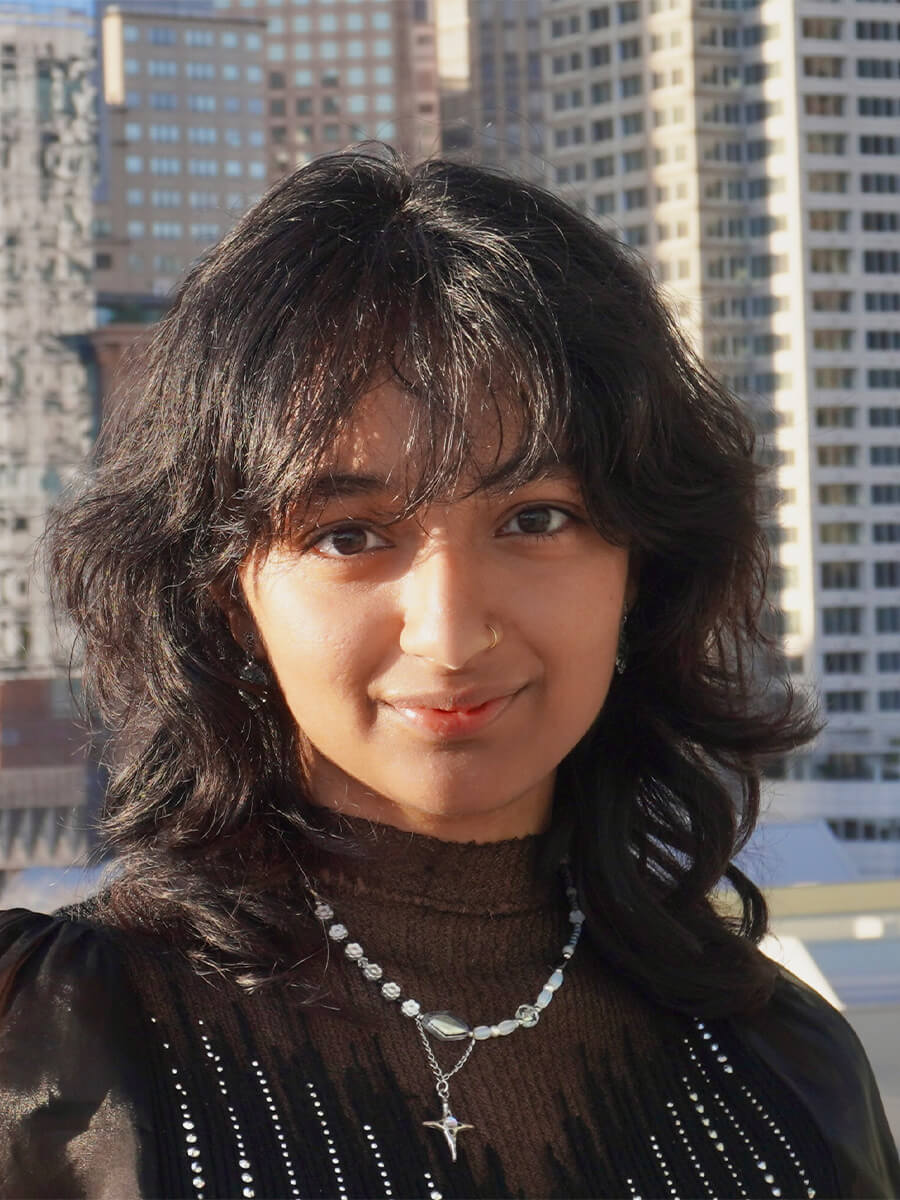
Ananya Srinivasan, PIXL
Senior, Computer Science
PIXL is a beginner-friendly intercollegiate community dedicated to empowering women and underrepresented voices in HCI, XR, and game development. We provide free bootcamps, mentorship, and industry access to ensure students of all backgrounds can help shape the future of tech.
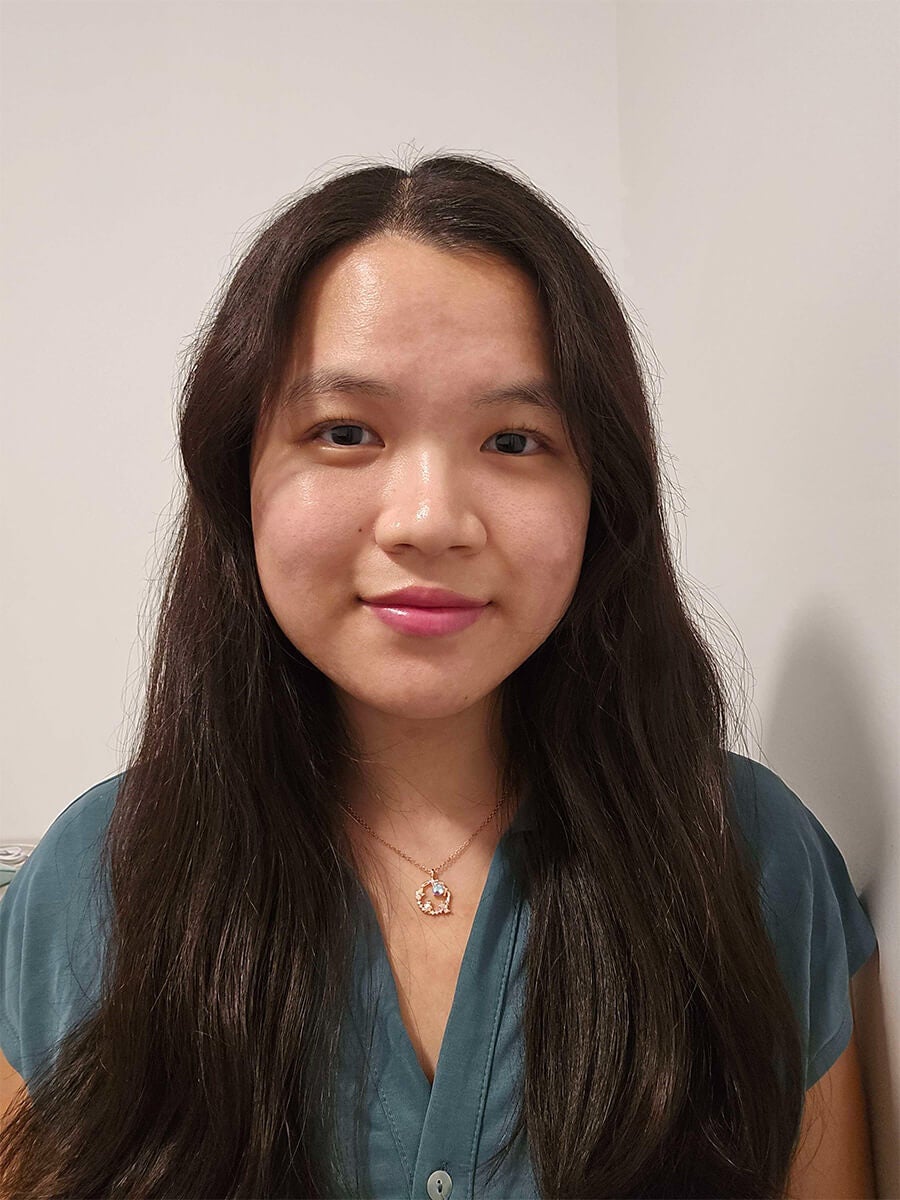
Melinda Zhao, Sensory Room
Senior, Biological sciences and Psychology
I am a senior undergraduate student double majoring in biological sciences and psychology. My project of adding a sensory room to McKeldin Library aims to create a space on our campus where students can relax, decompress, and access resources to regulate their sensory input. This initiative aims to support the mental health, sensory needs, and academic performance of our student community, with a particular emphasis on neurodivergent Terps whose unique sensory needs may not always be accommodated by traditional campus spaces.
Do you have questions about the program or applying? Email Kisha McNeill, Do Good Accelerator Manager at kisham@umd.edu.