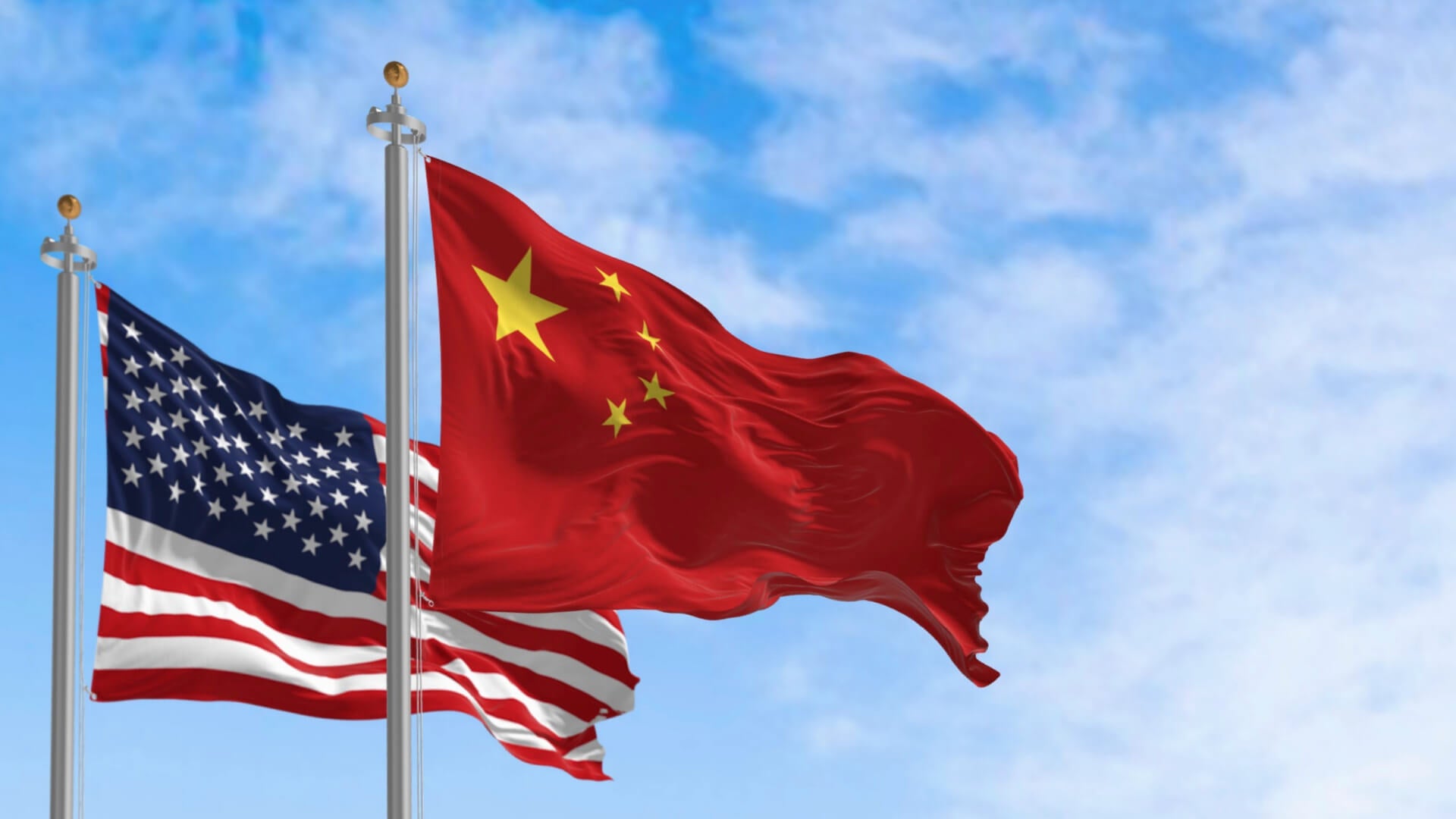

America’s role in the world is shifting amid debates over military commitments, economic sanctions, alliance building and institutional statecraft. Rather than training students to navigate a system that once was, a new program at the School of Public Policy prepares them to shape what comes next. The Foreign Policy, Strategy and Statecraft Program (FPSS) equips undergraduates and early-career master’s students to critically assess competing perspectives and test ideas in conversation with practitioners.
“We’re living in a time of geopolitical change,” said Associate Professor and FPSS Program Director Josh Shifrinson. “Students benefit from early and sustained engagement with faculty and practitioners as they examine not only how policies are made, but how they can be rethought, revised and improved.” FPSS helps students build their analytical tools to evaluate strategic alternatives and translate ideas into policy action.
The program, supported by several foundations and philanthropies, is built on a collaborative model of experiential learning that positions students as active contributors, not passive observers, in contemporary conversations about U.S. foreign policy. Practitioner fellows will teach and mentor students, connecting classroom discussions to active policy debates. A student fellows program will pair undergraduates and master’s students with faculty and practitioners to conduct policy-relevant research while also offering professional development opportunities and access to internships. Seed funding will support projects with the potential to rethink how specific foreign policy topics are framed.
“In short, we’re piloting a new approach to how we teach, train and study foreign policy, to meet the moment,” Shifrinson said. “As students hone their interests, we want their coursework and experiences at the School to be readily applicable beyond the classroom as they pursue foreign policy careers across government, think tanks, international organizations and more.”
In doing so, the program also builds upon the School of Public Policy’s existing strengths in global and foreign policy, campus collaboration, independent scholarship and proximity to policymakers at the heart of national security decision-making in Washington, DC. Together, these strengths allow students to engage in policy debates without being confined to a single perspective while building an intellectual and professional portfolio that will ensure their success throughout the policy space.